



Keep up to DateRegister Today
Cyprus Lifestyle FAQs
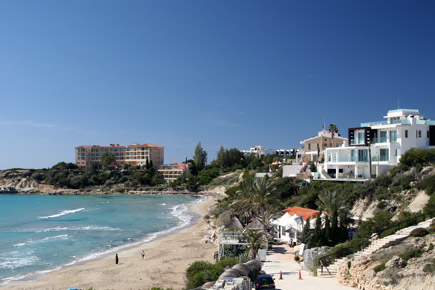
Cyprus is situated in the north eastern corner of the Mediterranean and is home to Aphrodite, the Greek Goddess of love. We have compiled a list of questions that our resale property clients ask and hope it helps you choose Cyprus as a destination, as well as allows you to successfully complete your property purchase.
What’s the weather like in Cyprus?
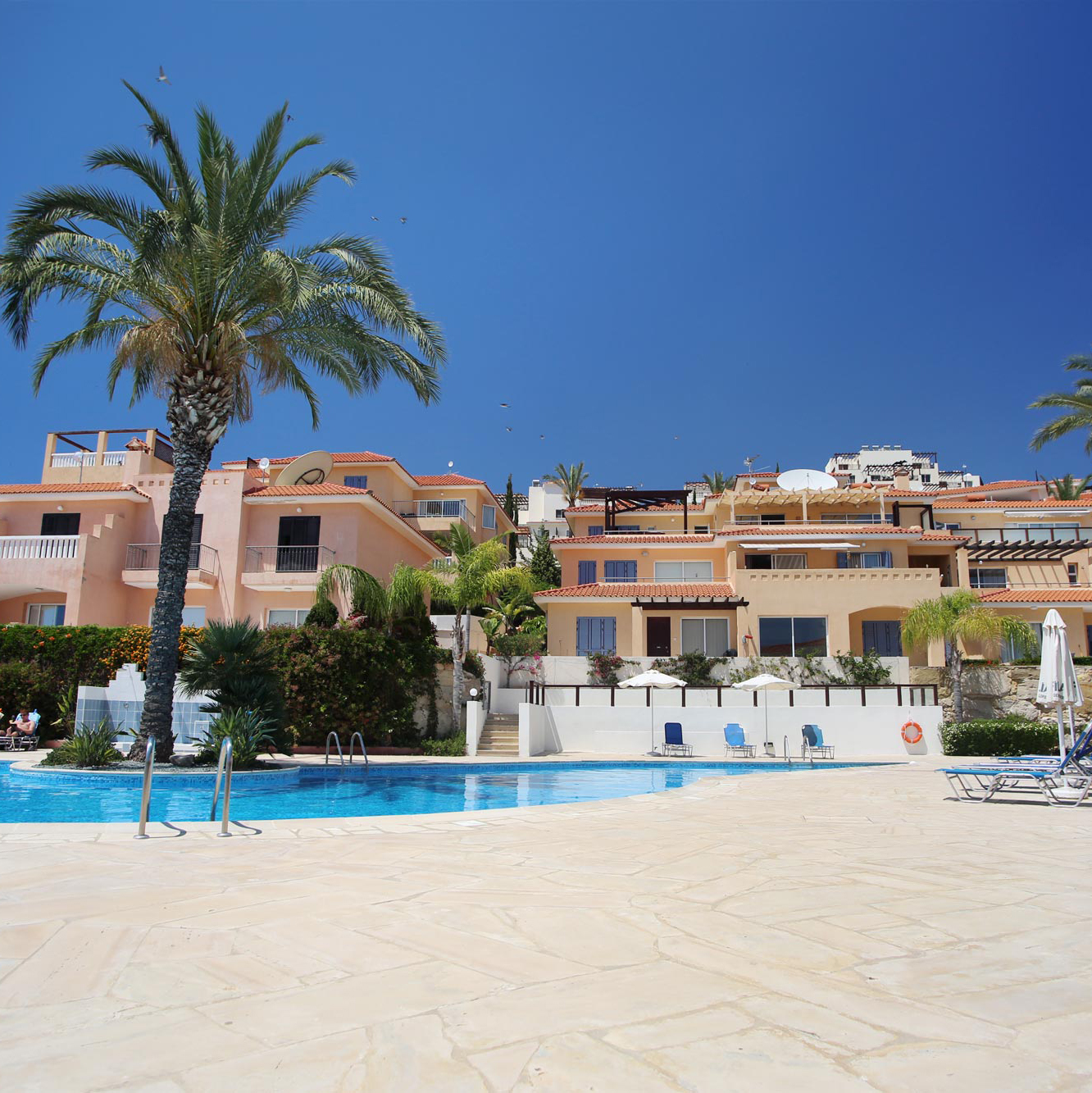
Cyprus has one of the best climates in the world with long hot summers and short winters, in months that are usually quite changeable in Spain or Portugal are quite settled in Cyprus. This extends the time that a property can be used as a holiday home making Cypriot property a good all year round investment. The Paphos region has a unique climate within Cyprus, being slightly cooler in summer and a bit warmer in winter making it the perfect destination for a property purchase.
Below is a climate table for Cyprus (Paphos Areas)
Cyprus climatic table
MONTH |
Jan |
Feb |
Mar |
Apr |
May |
Jun |
Jul |
Aug |
Sep |
Oct |
Nov |
Dec |
|---|---|---|---|---|---|---|---|---|---|---|---|---|
Daytime temperature °C |
15 |
15 |
19 |
24 |
28 |
31 |
32 |
33 |
31 |
28 |
22 |
17 |
Nighttime temperature °C |
5 |
5 |
7 |
10 |
13 |
17 |
20 |
21 |
16 |
14 |
11 |
7 |
Sunshine hours |
5 |
6 |
7 |
9 |
11 |
13 |
13 |
12 |
11 |
9 |
7 |
5 |
Rain days |
11 |
10 |
6 |
3 |
2 |
0 |
0 |
0 |
1 |
3 |
5 |
9 |
What clothes should I pack?
Between May and October you should need nothing more than light summer clothes and maybe a light jumper for cooler nights. The higher the altitude the cooler the nights, so take care to pack a light jacket if staying overnight in the Troodos mountains.
For the winter months standard winter clothes are the order of the day, although Russian and Northern European buyers of property in Cyprus can leave the fur coat and hat at home!
What Language do people speak?
Greek, Turkish and English are the official languages spoken in Cyprus, although Turkish is mainly spoken in the Occupied Northern area.
English is taught in all the schools in Cyprus and is widely used throughout the island, most government employees are happy to speak English and most forms are in English and Greek.
Russian is widely spoken in Cyprus especially in the tourist areas of Paphos, Limassol and Larnaca.
What are the public transportation Links like within Cyprus?
Although there are no railways in Cyprus, all the major towns are linked by an efficient and cheap bus service. Buses can be taken, for example, from Paphos to Limassol for only three euro. Once in town the bus service covers most of the outlying villages. Services run 6 days a week excluding Sundays. Buses on the main tourist routes run 7 days a week, with a limited service on Sundays.
What type of electricity sockets are there in Cyprus?
Electricity is provided island wide by the Electricity authority of Cyprus. Appliances operate in the 220-250v 13 amp band and all plug sockets are 3 pin UK style, power adapters are widely available to convert 2 pin to 3.
What are the local Holiday dates?
Below is a list of public holidays in Cyprus. On these dates most buildings both private and public will be closed. In the costal and tourist areas shops and cafes may remain open, subject to the license that is applicable to that area.
- January 1st - New Year's Day
- January 6th - Epiphany Day
- March 25th - Greek National Day
- April 1st - National Anniversary Day
- May 1st - Labour Day
- August 15th - Assumption of the Virgin Mary
- October 1st - Cyprus Independence Day
- October 28th - Greek National Anniversary Day – Ohi Day
- December 24th - Christmas Eve
- December 25th - Christmas Day
- December 26th - Boxing Day
- Variable - Green Monday (50 Days before Greek Orthodox Easter)
- Variable - Good Friday (Greek Orthodox Church)
- Variable - Easter Monday (Greek Orthodox Church)
- Variable - Pentecost - Kataklysmos (Festival of the Flood)
Vat refund on General Purchases
As is common with other EU states non EU citizens buying goods in Cyprus may reclaim VAT (15%) of the purchase price on their departure from Cyprus, the goods must have a valid receipt and tax free document. Goods are to be priced between 170 and 17100 Euro and exported in the visitors hand luggage.